Phase 1: Climate-Resilient Construction Training (0-12 months)
Sustainable building curriculum for apprentices and tradespeople, based on 15+ years construction experience.
After 20+ years building software and 15+ years building houses, I learned something crucial: the strongest structures are the ones that bend without breaking. Every mind works differently, every community has unique needs. Now I build education systems the same way—flexible enough for all learners, strong enough to survive any storm.
Construction education → Biodiversity preservation → Autonomous technology
See the roadmapI started as a technologist, became a carpenter, then an educationalist. Now I'm building climate resilience. After 20+ years developing digital systems, 15+ years in construction, and 5 years teaching, I have the skills needed—but climate change threatens everything we're trying to build.
My approach: start with what I can deliver immediately (construction education), build community trust, then scale to bigger challenges. Construction training → biodiversity preservation → autonomous technology. Each phase funds the next.
Climate-resilient construction education with verified impact tracking.
Grassroots biodiversity preservation respecting indigenous knowledge.
Autonomous supply vessels for community-controlled climate resilience.
Building on construction and teaching experience to create climate-resilient systems—each phase establishing credibility and community trust for the next innovation leap.
Sustainable building curriculum for apprentices and tradespeople, based on 15+ years construction experience.
Community-controlled seed banking and traditional ecological knowledge preservation using appropriate technology.
Open-source cargo vessels for delivering supplies to climate-vulnerable Pacific communities.
20+ years software development, 15+ years construction, 5 years teaching (STEM and vocational training).
Traditional education systems work perfectly—until Category 5 cyclones hit. Then everything stops. Schools become shelters, teachers become coordinators, students lose months of learning during recovery.
Pacific communities face accelerating threats that traditional education systems can't survive. When disaster strikes, all educational progress stops. We need learning systems that get stronger during emergencies, not weaker.
What if construction education included climate adaptation? What if biodiversity preservation connected traditional and modern knowledge? What if communities controlled their own emergency supply systems?
I'm not starting from scratch. I'm building on 20+ years tech development, 15+ years construction experience, and 5 years teaching expertise. Now I'm adding the technology layers that make education cyclone-proof.
My combined experience provides the credibility and skills needed to tackle climate challenges through community-controlled technology.
My technical and teaching experience becomes the foundation for climate resilience technology that communities control and operate.
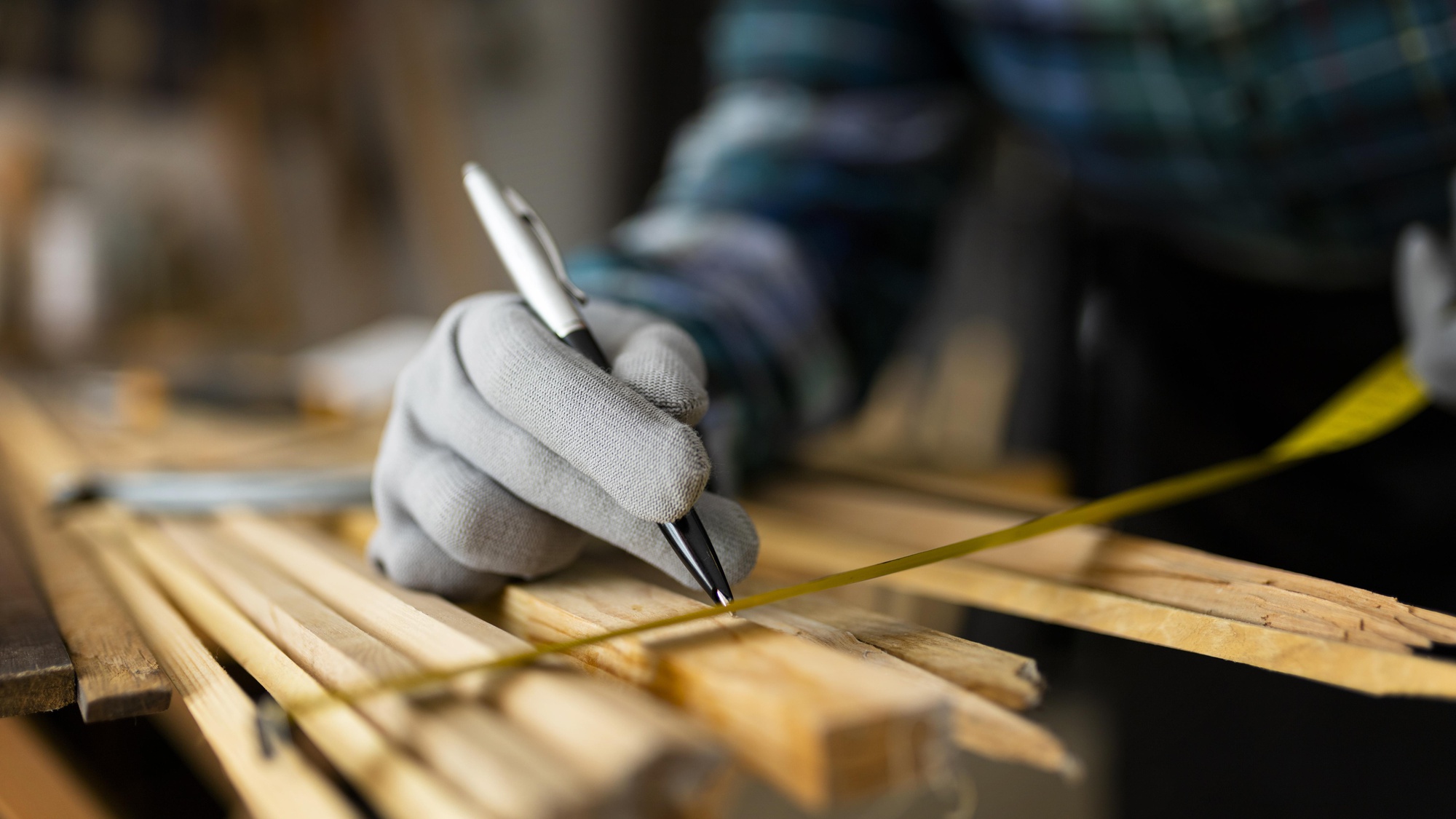
15+ years construction experience + 2 years vocational training + 3 years STEM teaching = proven foundation for climate-resilient building curriculum.
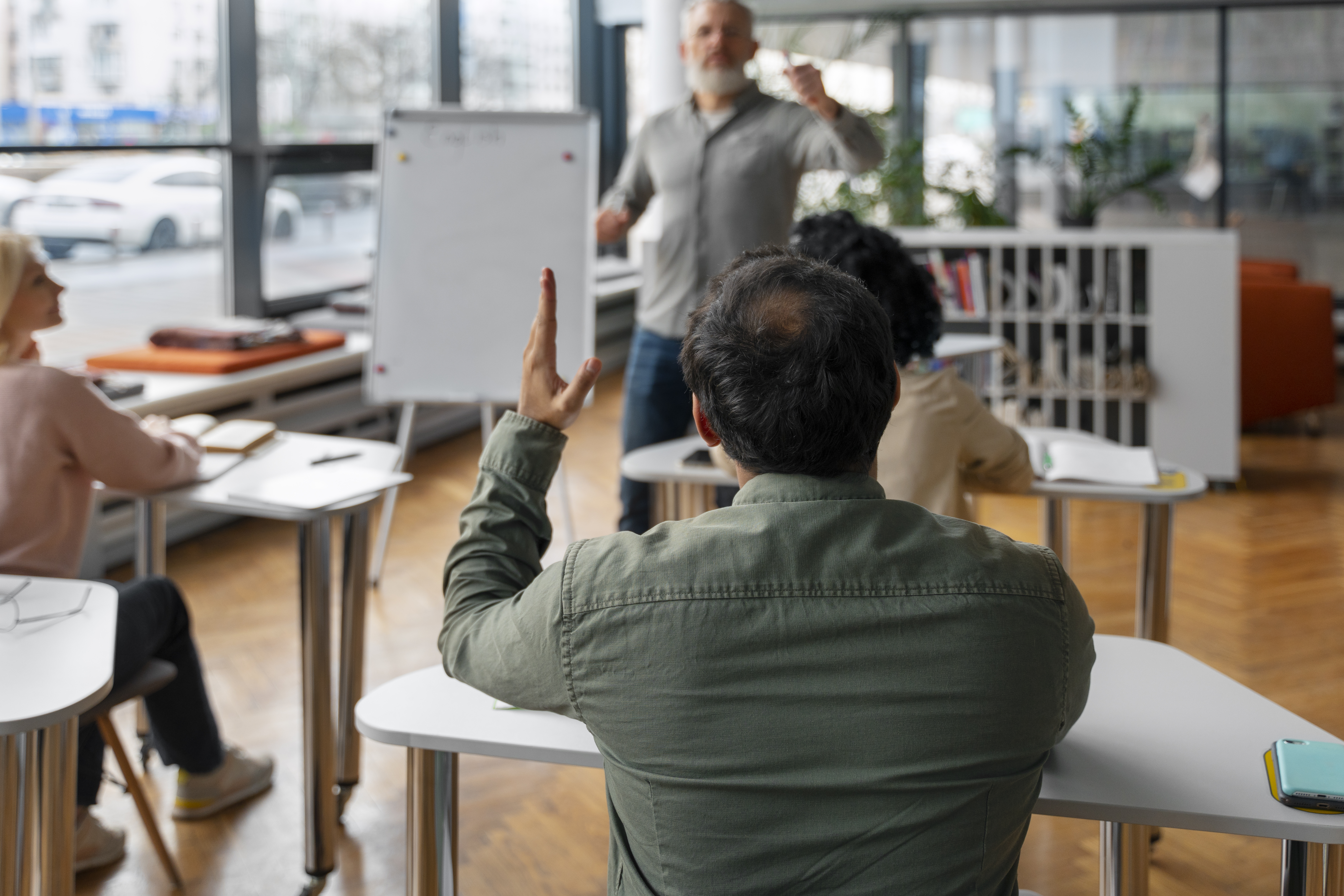
Experience with Māori learners and neurodiverse students + "listen first, co-create locally" methodology—designing systems that work for all minds and communities.
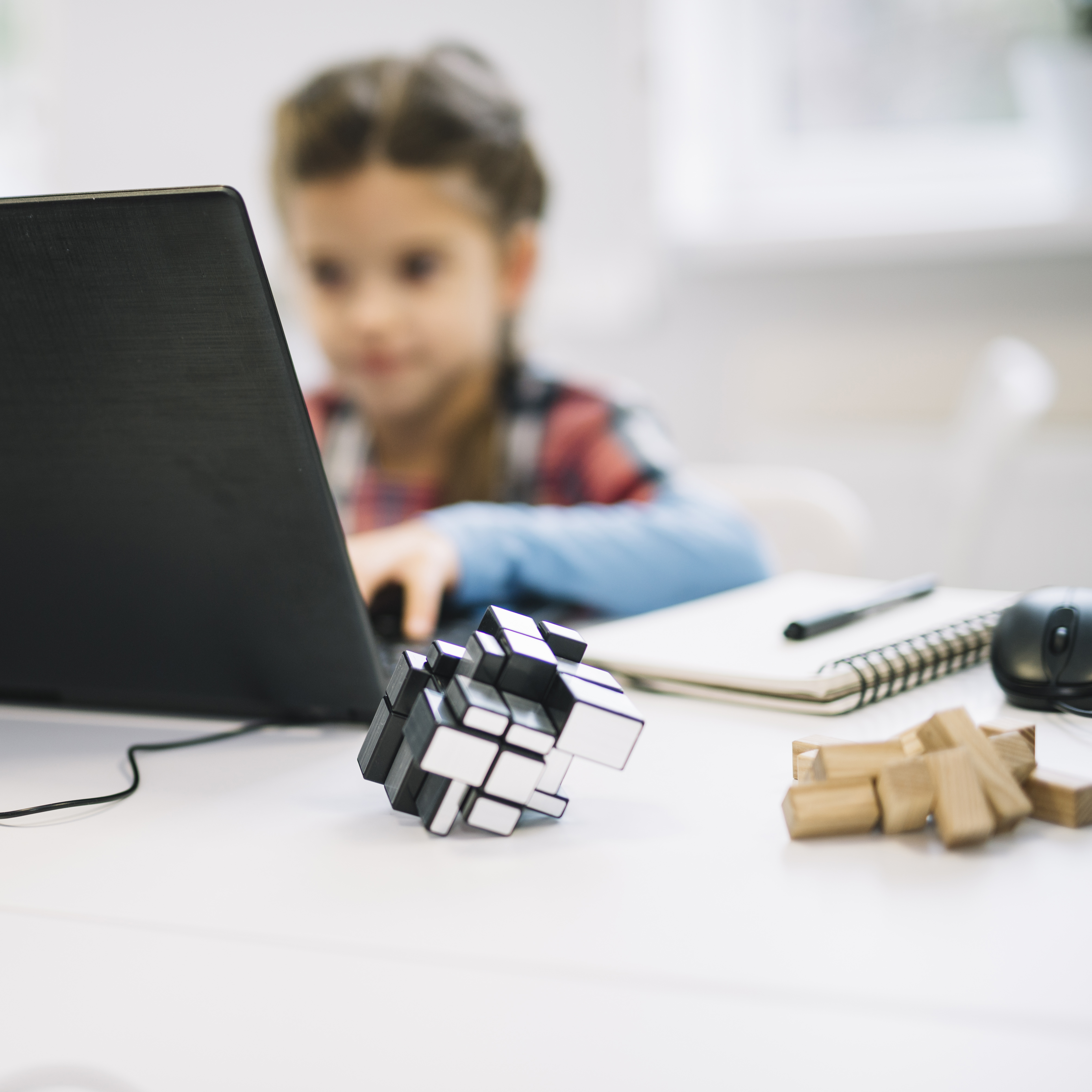
GitHub projects (Tumunu, Mako, Builder Buddy) prove software development skills for autonomous vessel control systems and community-operated technology.
Early supporters and collaborators who understand the vision of climate-resilient, inclusive education.
"I've worked with plenty of instructors who talk about 'different learning styles' but don't actually adapt. This guy? He watches how each apprentice learns, then changes his approach. My dyslexic apprentice finally got framing techniques after struggling for months with other instructors."
"Finally someone who gets it. He actually listens to what we need instead of showing up with solutions nobody asked for. When he talks about preserving our knowledge alongside new tech, you can tell he means community control, not another outsider project."
"I've seen too many 'tech for good' projects that are all talk. But his code on GitHub? Actually works. Clean, documented, practical. When someone with 20 years dev experience says they're building autonomous vessels, I pay attention."
Pacific cyclone season starts in 6 weeks. Right now, I'm selecting the first 10 partners who'll help shape how climate-resilient education actually gets built. Early supporters get quarterly founder updates and direct input on curriculum development.
Timeline: Phase 1 curriculum development begins March 2025. Community partnerships for Phase 2 start based on Phase 1 credibility. Each phase builds the foundation for Pacific technological sovereignty.
Addressing the concerns and questions from potential partners about this climate resilience approach.
$500 Phase 1: Covers curriculum development, pilot delivery, and impact documentation for construction education. $1,500 Phase 2: Adds community partnership development and seed banking infrastructure. $5,000 Phase 3: Funds autonomous vessel prototype development and testing. Each phase builds credibility for the next.
You don't—that's why we start small. Phase 1 leverages my proven 15+ years construction experience and 5 years teaching background. Success creates the credibility and community trust needed for Phases 2 and 3. If Phase 1 fails, you've invested in proven skills, not empty promises.
Established NGOs are essential, but they rarely combine construction expertise, technology development, and community education in one integrated approach. Most focus on either advocacy OR direct service. I'm filling a specific gap: climate-resilient education systems that communities control and operate.
Phase 1 (construction education) delivers value regardless of later phases. Phase 2 (biodiversity preservation) works even without autonomous vessels. Each phase creates standalone value while building toward the integrated vision. You're funding progression, not all-or-nothing innovation.
Everything is open-source. Communities see, modify, and own the technology. My teaching experience with Māori learners and neurodiverse students proves I understand "listen first, co-create locally." No technology gets deployed without community leadership deciding how it's used.
Phase 1: 0-12 months for construction education curriculum and pilot delivery. Phase 2: 12-24 months for community partnerships and seed banking. Phase 3: 24+ months for autonomous vessel development and testing. Phases can overlap based on community readiness and funding availability.
Email: project@tumunu.com
I welcome collaboration with construction educators, iwi/hapū leaders, tech innovators, and climate-focused partners who understand that community control is essential for sustainable change.
Technical background and open-source projects at www.tumunu.com and GitHub.
All technology development is open-source. Community partnerships respect indigenous knowledge. Financial transparency maintained throughout all phases.
View GitHub Projects